Portfolio
Koleksi karya dan pengalaman
Design•Nirmana
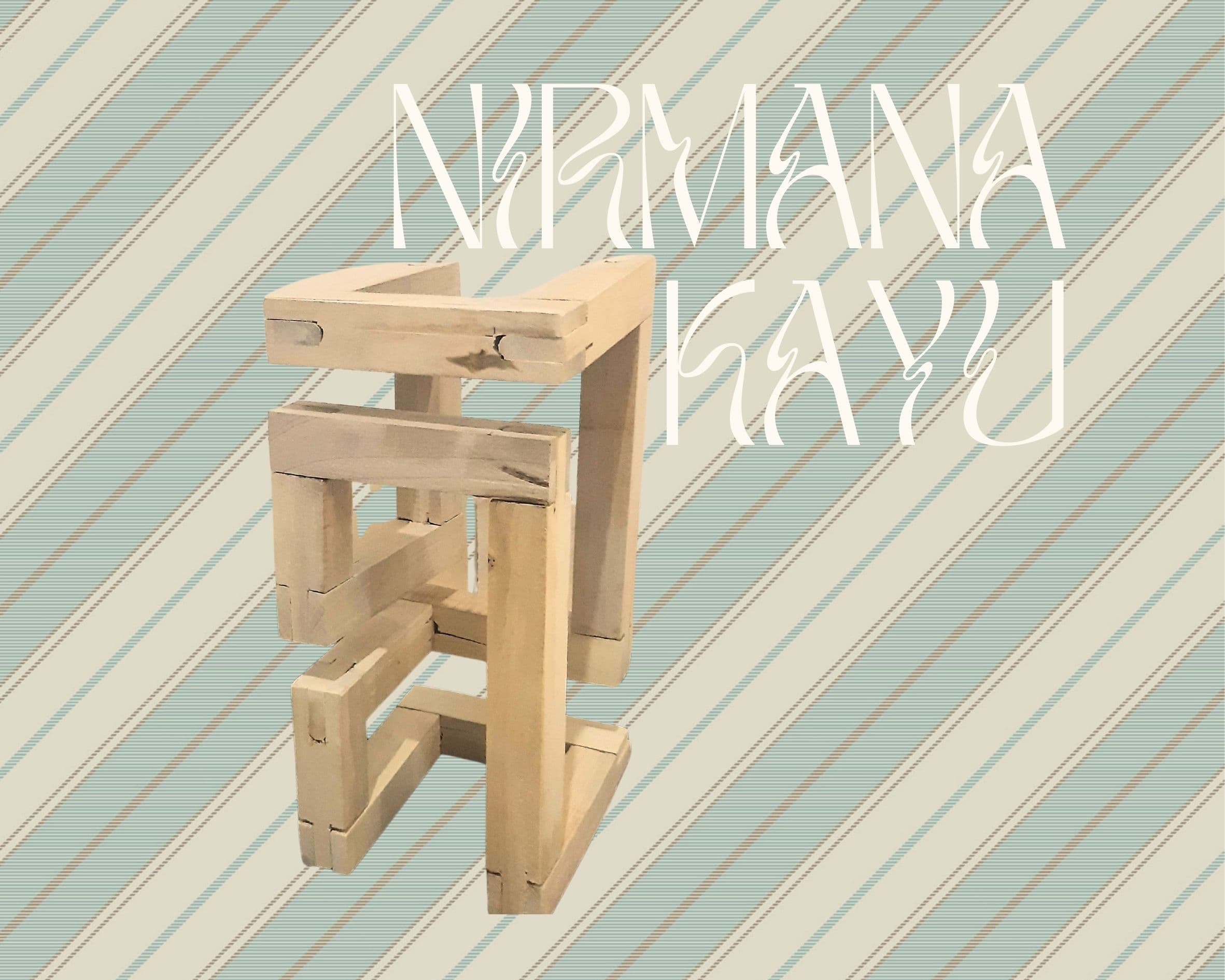
Nirmana Kayu
This wooden nirmana work is based on an exploration of balance without relying on mirroring or strict symmetry. I chose wood as the main medium because of its natural rigidity and strong visual weight, which makes the placement of each element important in creating harmony. Instead of arranging identical forms, I focused on differences in size, direction, and spacing while ensuring that the elements visually support one another. The sense of balance in this work emerges from the relationship between forms rather than from repetition. Vertical and horizontal elements interact to fill the space and guide the viewer’s eye across the composition. This creates a stable structure that feels calm but not static. Through this approach, I learned that balance in nirmana does not always come from uniformity, but can be achieved through equal visual relationships between different forms.
Syifa Indriani•4 Feb 2026
Design•Nirmana
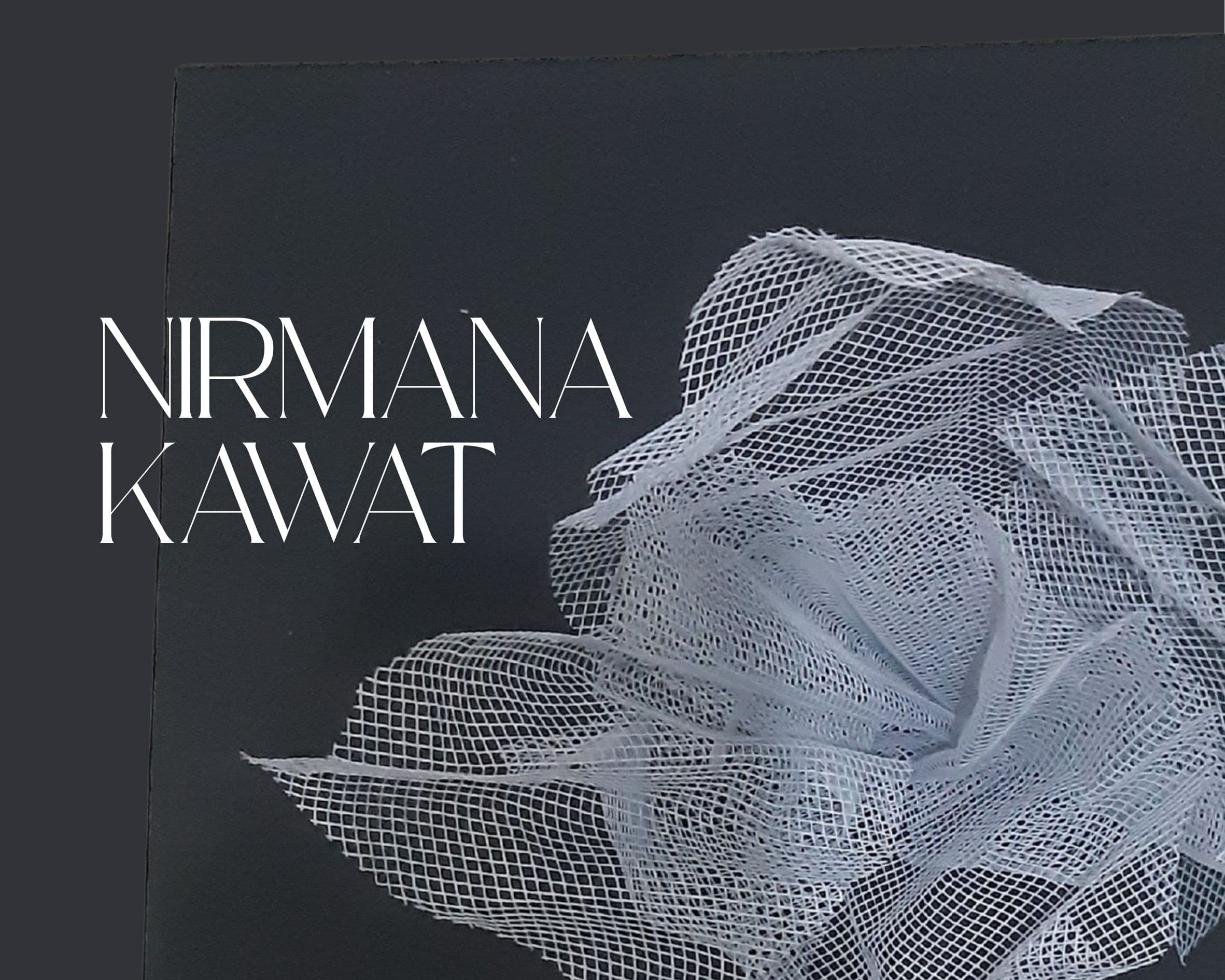
Nirmana Kawat
This wire nirmana work explores balance through irregular form and spatial tension rather than symmetry or mirroring. I chose wire as the main medium because of its flexibility and light visual weight, allowing the form to appear dynamic and almost floating. Instead of creating a rigid or repeated structure, the composition grows organically, with lines bending and overlapping in different directions. Balance in this work is achieved through the distribution of visual energy. Dense areas are countered by open spaces, so the form feels stable even though it appears spontaneous and asymmetrical. The overlapping wire lines create depth and movement, encouraging the viewer’s eye to circulate around the object rather than settle on a single focal point. Through this piece, I explored how balance in nirmana can exist within irregularity, showing that harmony does not require identical forms, but thoughtful relationships between mass, space, and direction.
Syifa Indriani•4 Feb 2026

Design•Nirmana
Nirmana Clay
Through this nirmana clay project, I explored form and texture using air-dried clay with a coastal theme as the main concept. I began the process by developing sketches inspired by natural elements found on the beach, such as shells, coral, leaves, coconuts and organic fragments. These sketches helped me plan the arrangement of forms while maintaining balance and unity within the composition. Through using air-dried clay, I developed a deeper understanding of how natural textures and forms can be translated into a structured visual composition. This project strengthened my ability to observe, interpret, and organize organic elements into a cohesive nirmana work.
Syifa Indriani•4 Feb 2026
Design•Nirmana
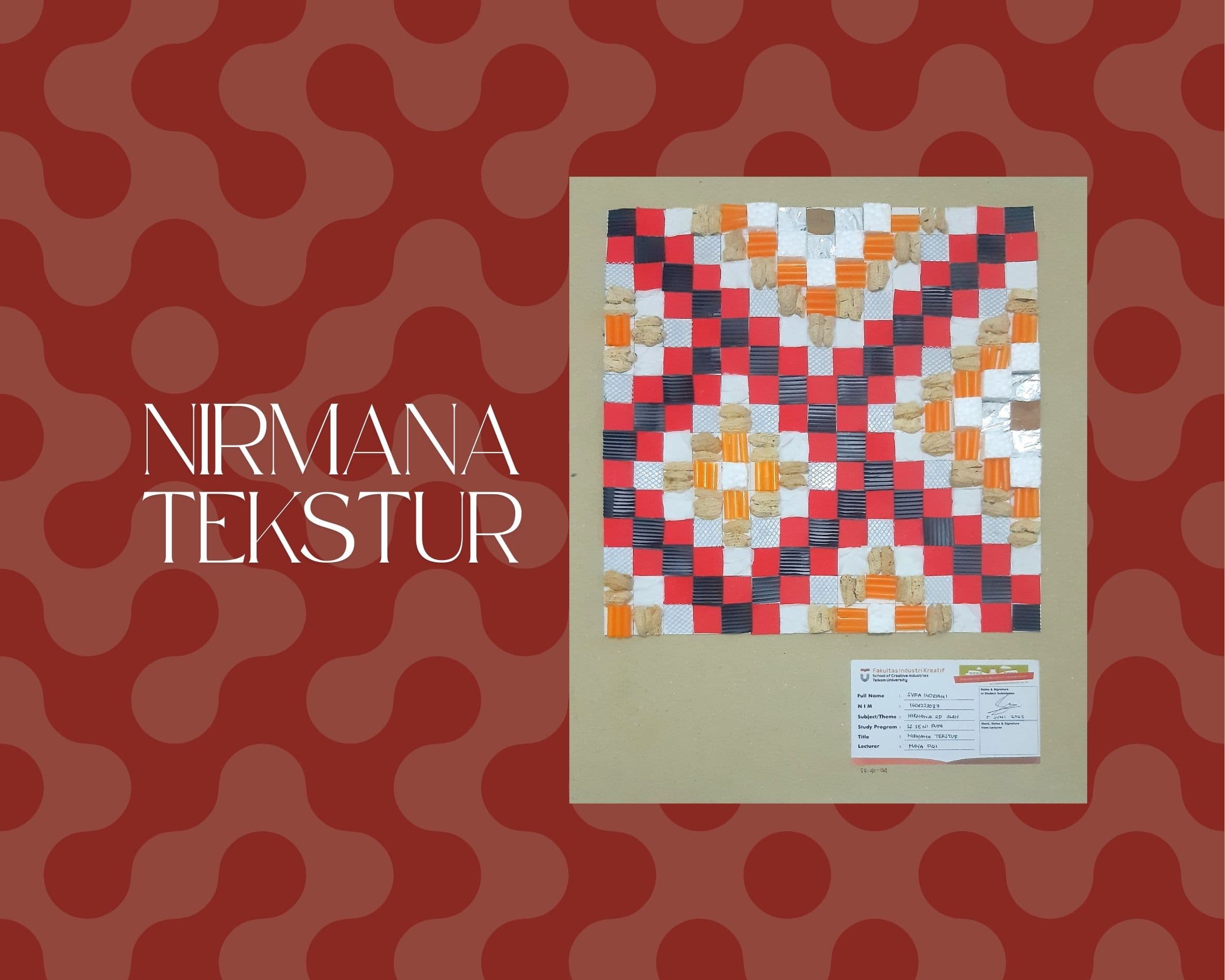
Nirmana Tekstur
Through this texture nirmana project, I explored texture as the main visual element by combining various found and recycled materials into a single structured composition. I used materials such as straws, wire, dried leaves, peanut shells, plastic, corrugated cardboard edges, aluminum, styrofoam, tote bag fabric, tissue, and infraboard. Each material was chosen for its distinct surface quality, allowing me to study how different textures interact within one visual system. In the exploration stage, I observed and compared the tactile and visual characteristics of each material, such as rough and smooth surfaces, rigid and flexible forms, as well as matte and reflective qualities. These observations guided me in arranging the materials into repetitive units so that the composition remains organized despite the diversity of textures. The goal was to create balance and rhythm without letting one texture dominate excessively. During the making process, precision and control were important to maintain consistency in size and placement. Even though the materials varied greatly, I focused on structuring them within a grid to create visual order. This approach helped unify contrasting textures and allowed the viewer to experience variation within a cohesive composition. The finished work presents texture nirmana as an exploration of material contrast and visual harmony. Through this project, I developed a deeper understanding of how texture can function as a compositional element, not only through touch but also through visual perception. Working with diverse materials trained me to be more sensitive to material characteristics and more intentional in combining them into a unified visual structure.
Syifa Indriani•4 Feb 2026
Design•Nirmana
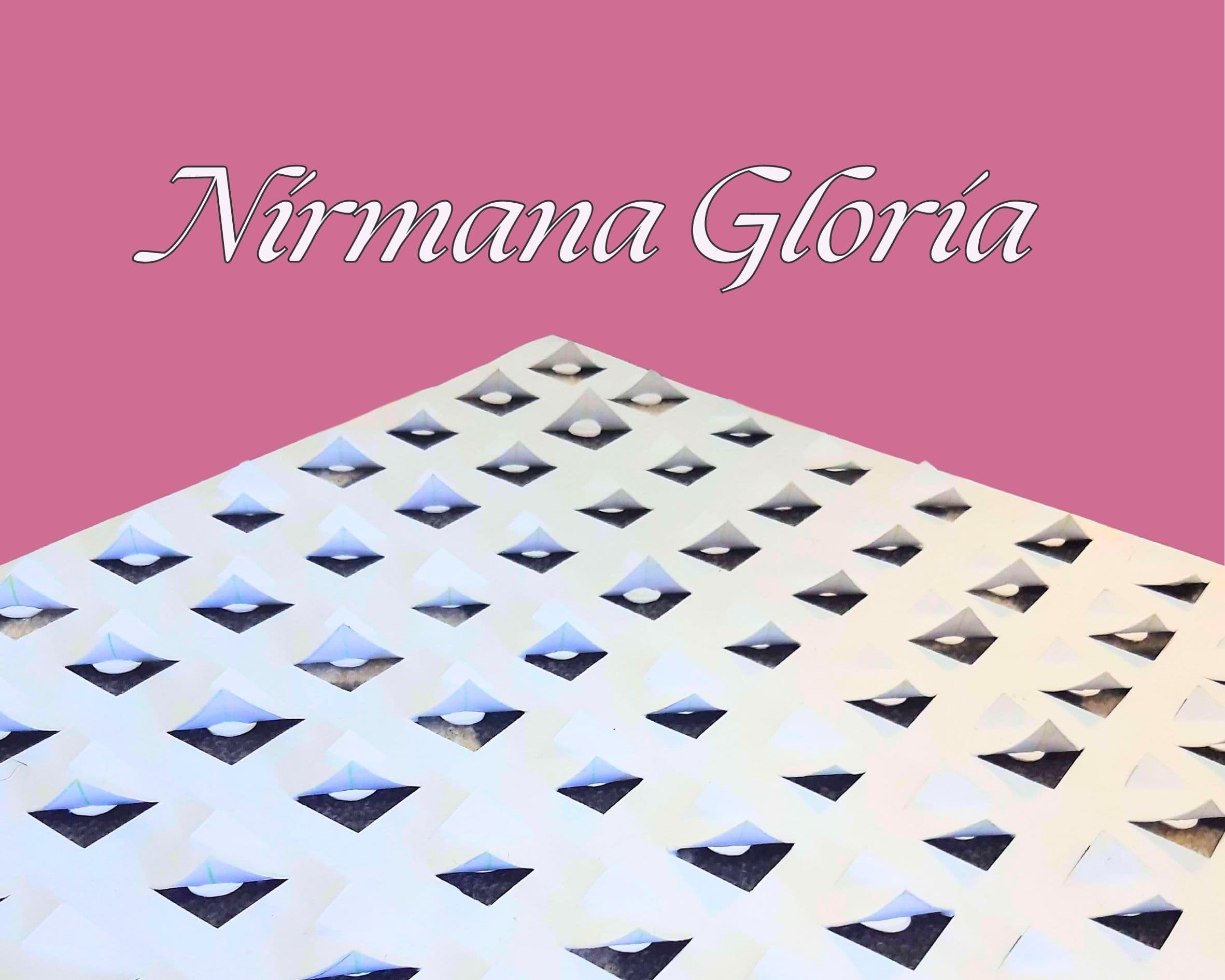
Nirmana Gloria
Through this Nirmana Gloria project, I explored surface and light as the main visual focus by using Gloria paper, which has two contrasting qualities: a glossy side and a matte side. This material choice allowed me to examine how reflection and absorption of light can become part of the visual composition, not only as a material property but as a design element. I began by developing simple pattern sketches to understand how repeated forms could interact with different surface finishes. In the prototyping stage, I experimented with cutting and folding the Gloria paper to create modular units. By arranging these units in a structured grid, I observed how the glossy surfaces reflect light differently depending on their orientation, while the matte surfaces create softer and more stable visual areas. This contrast helped define depth and movement without relying on color variation. During the making process, precision and consistency were crucial, as the glossy surface easily highlighted imperfections. Each cut and fold had to be carefully controlled to maintain uniformity across the composition. Through repetition, the pattern gradually formed a rhythmic surface that changes visually based on viewing angle and light conditions. The finished artwork presents nirmana as an exploration of light, texture, and spatial perception. By combining the glossy and matte sides of Gloria paper, I learned how material characteristics can actively shape visual experience. This project strengthened my awareness of how surface treatment and material choice contribute to emphasis, rhythm, and unity within a composition.
Syifa Indriani•4 Feb 2026
Design•Nirmana
Nirmana Garis
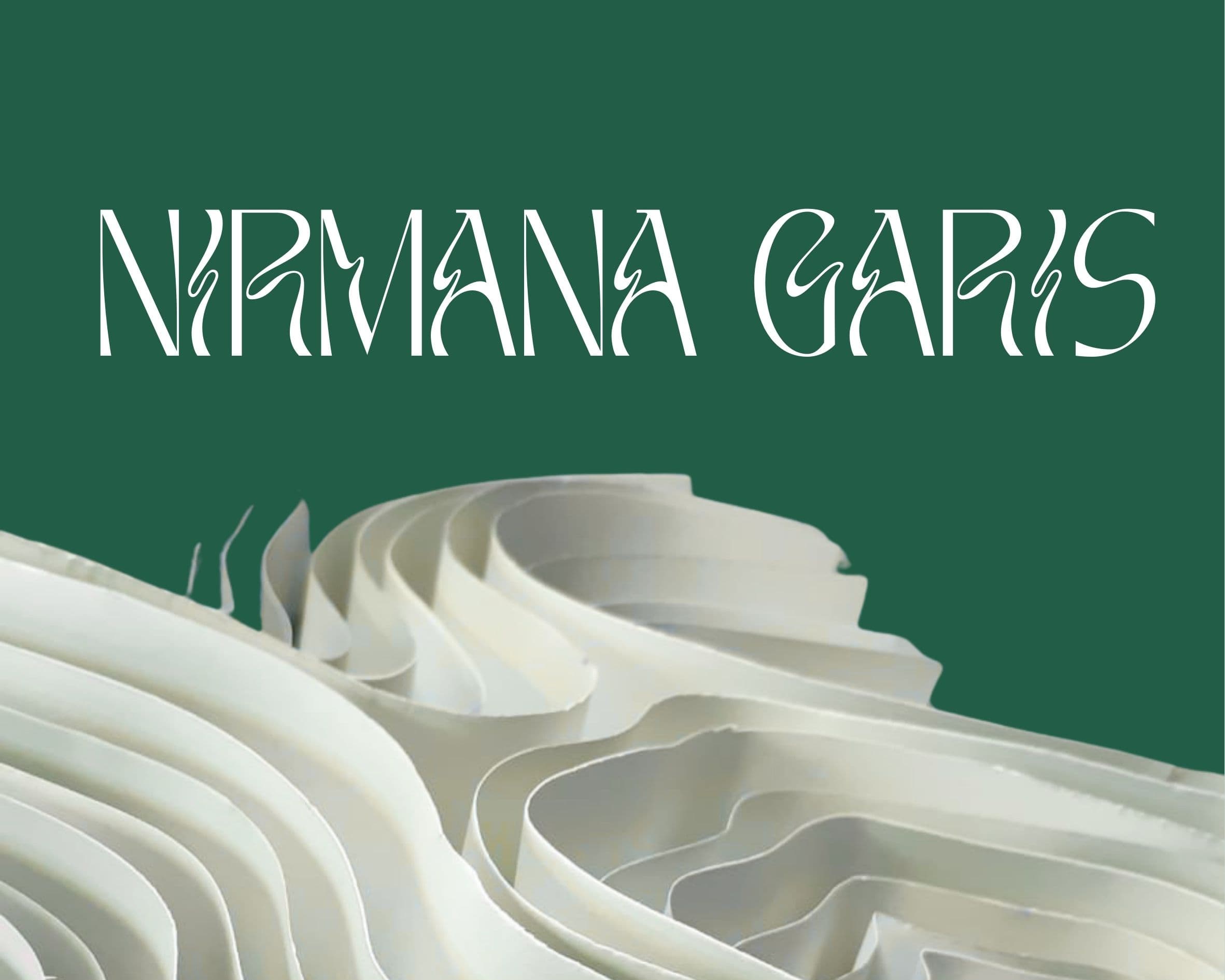
Through this line nirmana project, I explored lines as the main visual element by translating two-dimensional sketches into a three-dimensional form. Starting from the sketch stage, I focused on developing flowing line directions that suggest movement and rhythm rather than rigid structure. This initial exploration helped me understand how lines can guide visual flow and create a sense of continuity within a composition. In the prototyping stage, I transformed the sketched lines into layered forms by cutting and arranging materials in a repetitive sequence. This process allowed the lines to evolve into physical contours, emphasizing depth and spatial interaction. By stacking and aligning each layer carefully, I aimed to maintain the original line direction while introducing volume and texture. During the making process, precision and consistency became essential, as each line-shaped layer had to be positioned accurately to preserve the overall visual rhythm. Small changes in alignment could significantly affect the perception of movement, making this stage both technically demanding and conceptually important. The final result presents line nirmana as a dynamic composition where lines no longer function solely as outlines, but as structural elements that define form, depth, and motion. Through this work, I developed a stronger understanding of how lines can construct space and convey energy, while also strengthening my discipline in planning, prototyping, and execution.
Syifa Indriani•4 Feb 2026
Design•Nirmana
Nirmana Jarum 3D Dasar
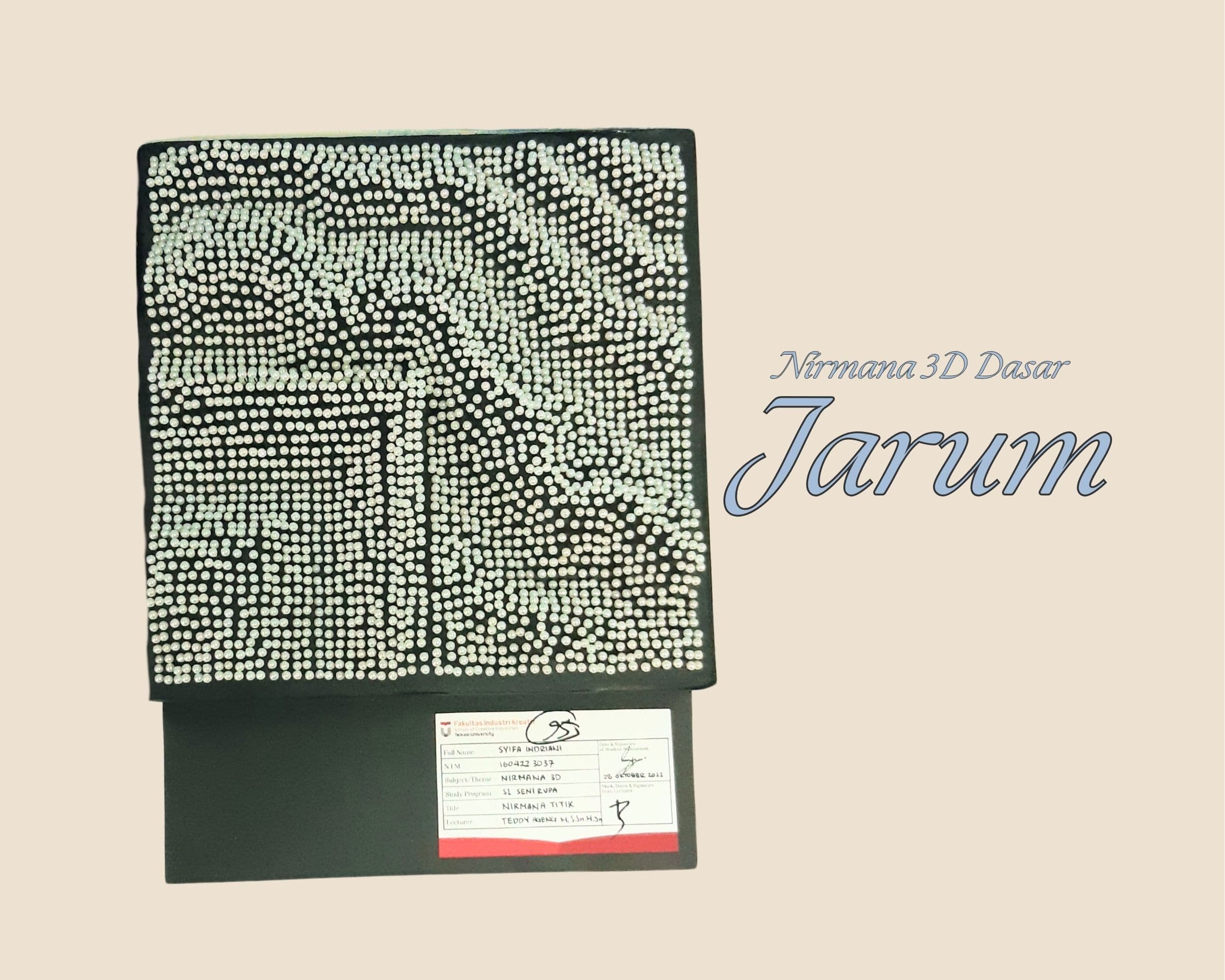
Through this nirmana project, I explored the use of dots as a three-dimensional visual element created using needles as the main medium. By puncturing and inserting needles into the surface, I translated a flat dot composition into a tactile and dimensional form. The learning materials and assistance sessions helped me understand how repetition, direction, and density of dots can build visual rhythm and depth, even when working with a monochromatic approach. During the making process, I worked carefully with the needle technique, as each puncture required precision and control. The process demanded patience, since the placement of every needle affected the overall structure of the composition. By arranging the needles in a systematic pattern, I aimed to create a flowing visual movement across the surface while maintaining balance and unity. In the detail stage, the accumulation of needle points formed variations in texture and density, which function as visual highlights and shadows. This made the surface appear dynamic without relying on color or figurative forms. Through this process, I learned how a simple element, when repeated consistently, can produce complex visual effects. The finished artwork reflects my understanding of nirmana jarums as an exploration of form, texture, and spatial depth. Using needles as a medium trained me to be more disciplined and intentional in my visual decisions, while also expanding my awareness of how material choice influences the final perception of a work.
Syifa Indriani•4 Feb 2026
Design•Nirmana
Nirmana 2D Dasar (Warna)
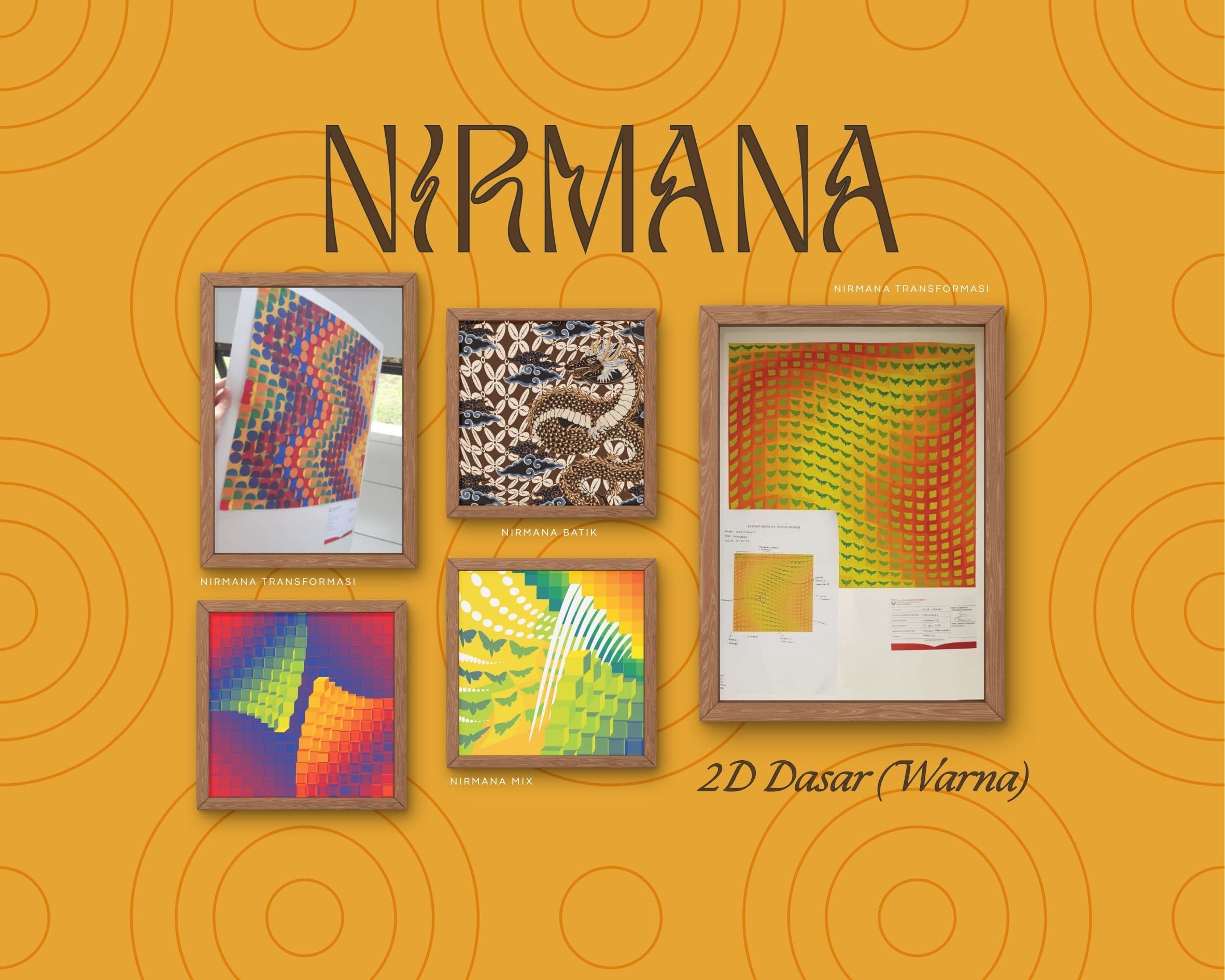
Nirmana is a basic visual design study in art and design that focuses on arranging visual elements in a structured and meaningful way. It’s not about telling a story or making something realistic. It’s about training how you see, think, and decide visually. In nirmana, you work with fundamental elements such as dots, lines, shapes, color, texture, and space. The goal is to explore how these elements interact with each other through principles like balance, rhythm, contrast, harmony, unity, and emphasis.
Syifa Indriani•4 Feb 2026
Design•Nirmana
Nirmana 2D Dasar (hitam putih)
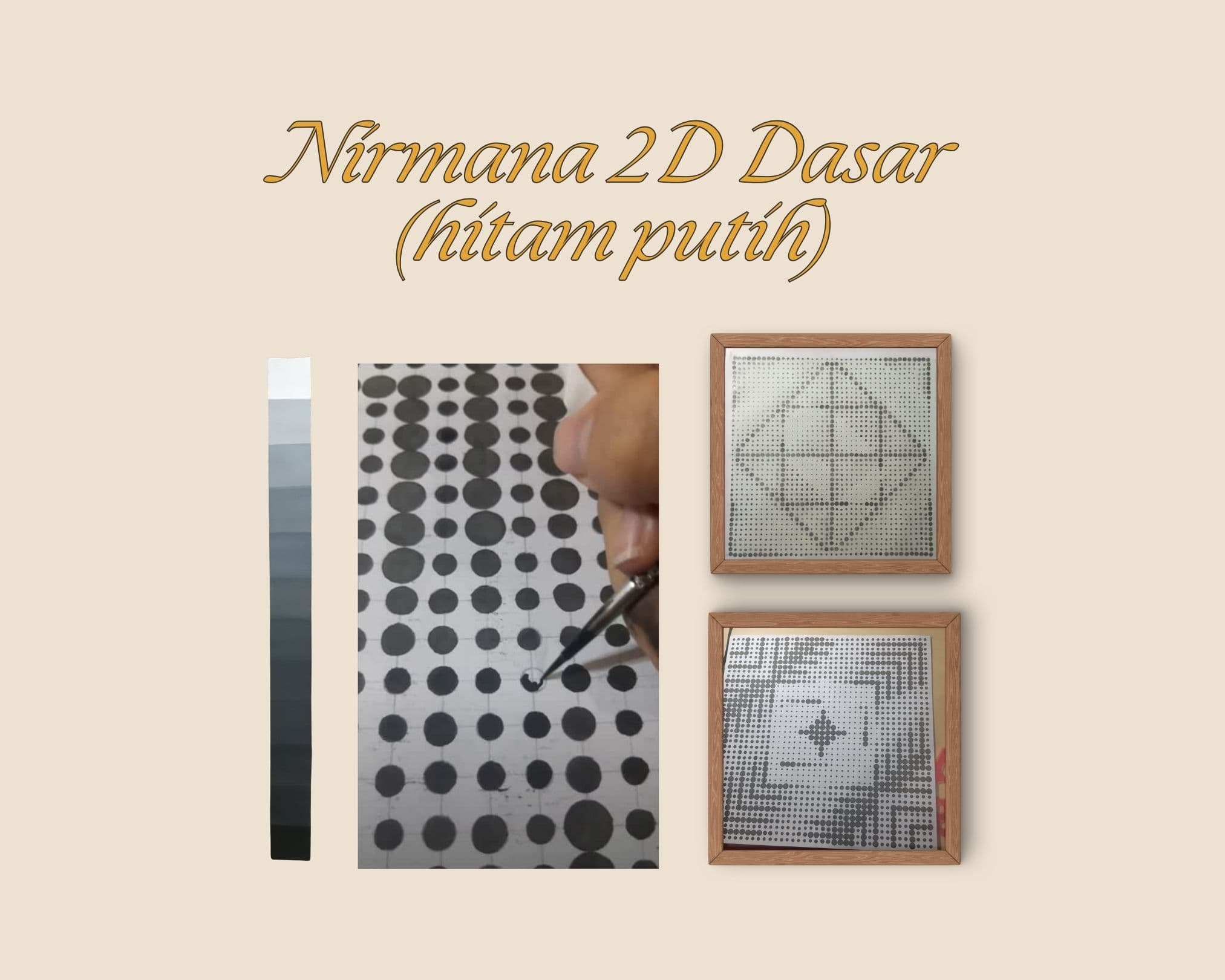
From creating these nirmana titik works, I explored how a single visual element can form different compositions and visual impacts. In this process, I focused on arranging dots in a repetitive and structured way to build geometric patterns and visual rhythm. Although all three frames use the same element, I learned that not every composition communicates equally strong. Only one pattern was accepted because it shows a clearer visual hierarchy and a stronger focal point, where the density and spacing of the dots successfully guide the viewer’s attention. This experience made me realize that consistency alone is not enough; intentional emphasis and balance are essential in visual composition. Through making nirmana titik, I developed a deeper understanding of basic visual principles such as rhythm, balance, contrast, and focus. Working with dots trained my patience and precision, since each small decision affected the overall composition. This process helped me understand that even the simplest element can create complex visual forms when arranged thoughtfully. It also strengthened my visual sensitivity, especially in recognizing how minimal variations in density and placement can change the way a work is perceived as a whole.
Syifa Indriani•4 Feb 2026